The past year tested the very foundations of global cooperation. Geopolitical norms are being upended, and the global risk landscape is evolving faster than systems can adapt – with the most vulnerable in our societies caught in the cross-hairs. These shocks demand urgent attention to uphold equity, ensure human rights for all, and build resilient communities.
Resilience is built through networks, partnerships, trust, and the willingness to work differently – sharing power as well as purpose.
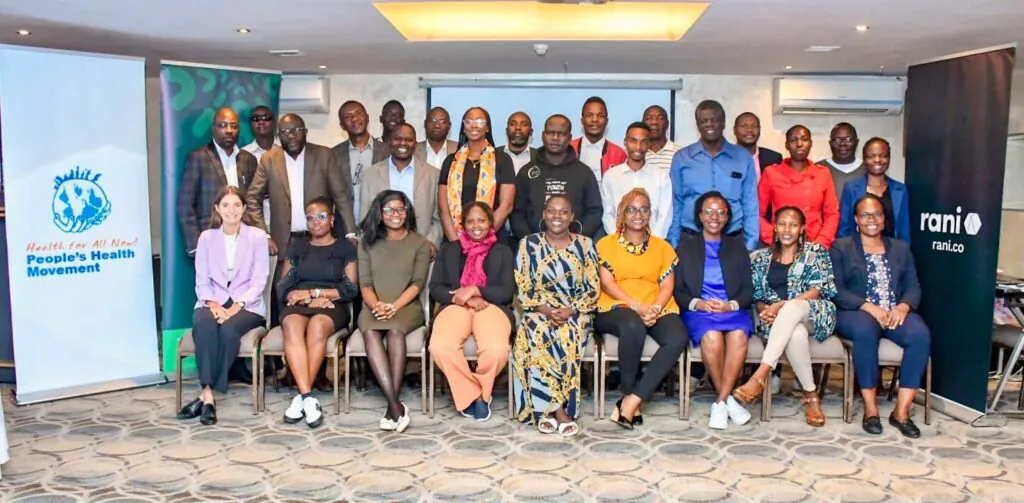
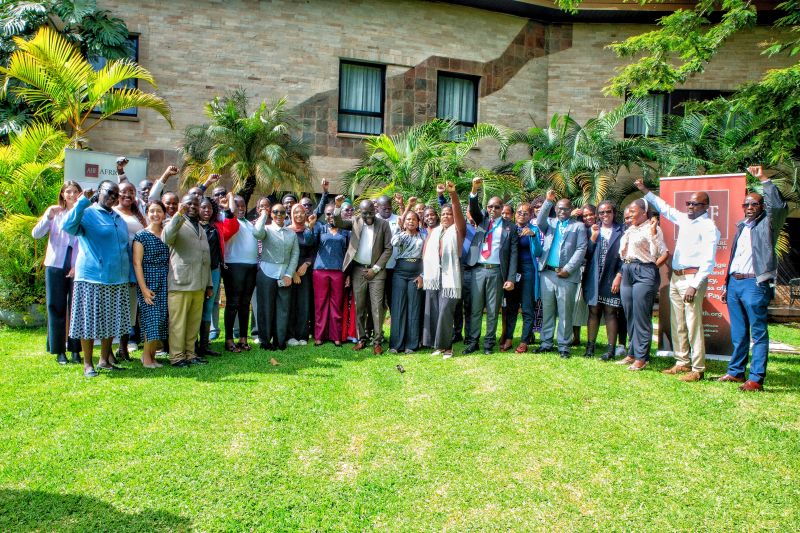
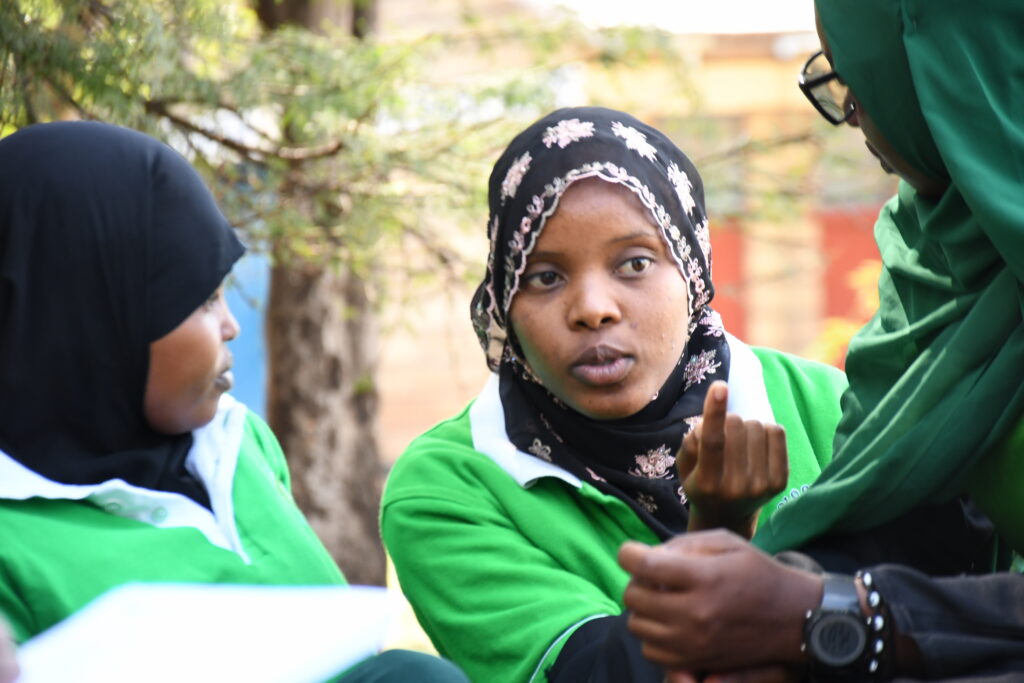
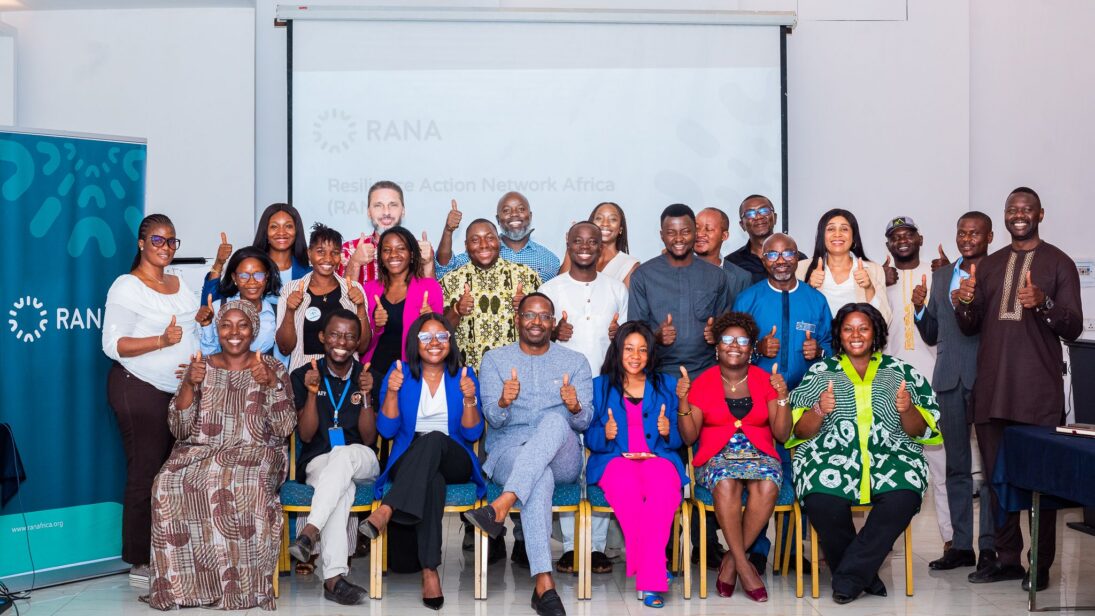
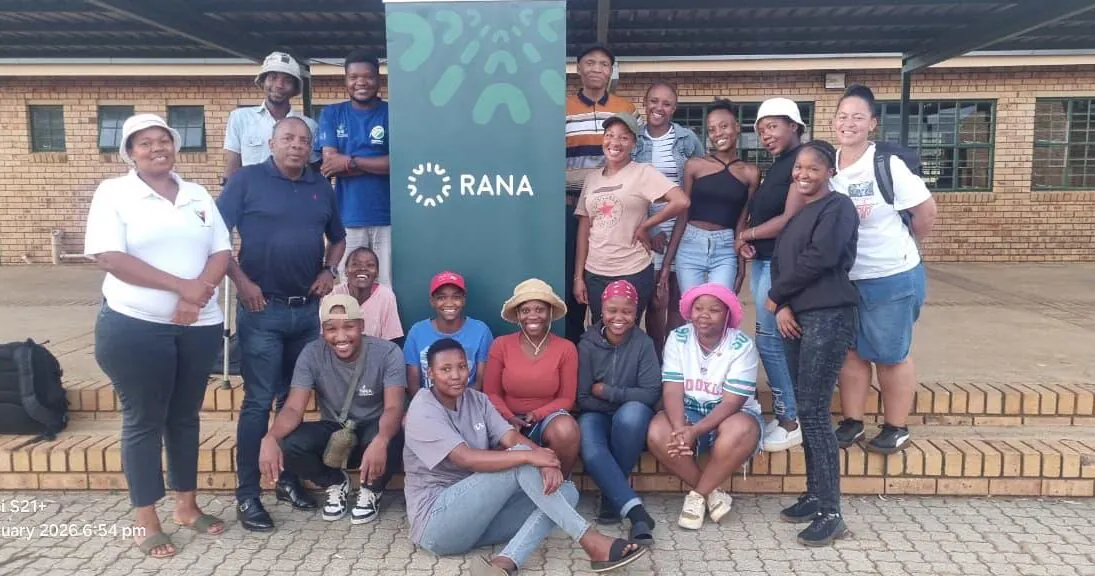
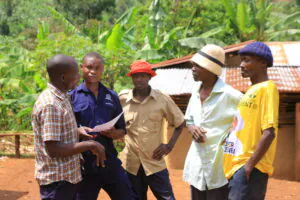
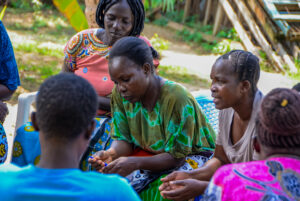
Rani (Resilience Action Network International) and RANA (Resilience Action Network Africa) emerged naturally from PAN, evolving from the central conviction that pandemic threats are cross-cutting, whole-of-society threats – with myriad intersecting drivers and impacts – and that equity can only be achieved when the lived realities, knowledge, and agency of the global majority are not peripheral to decision-making, but central to shaping it.
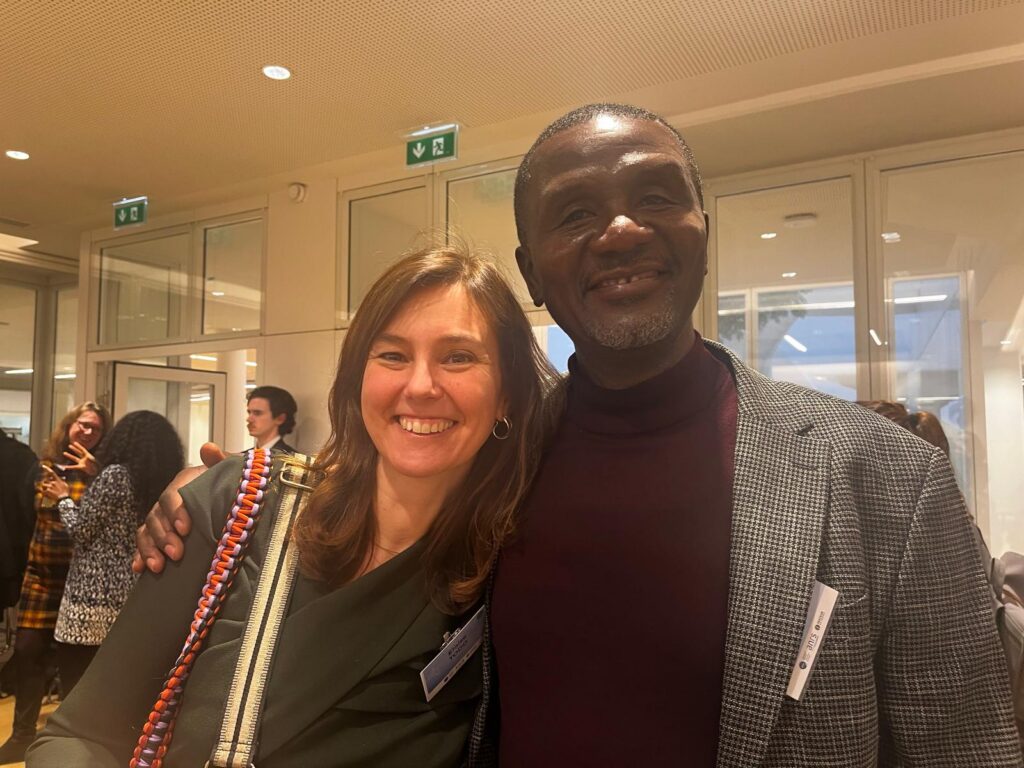
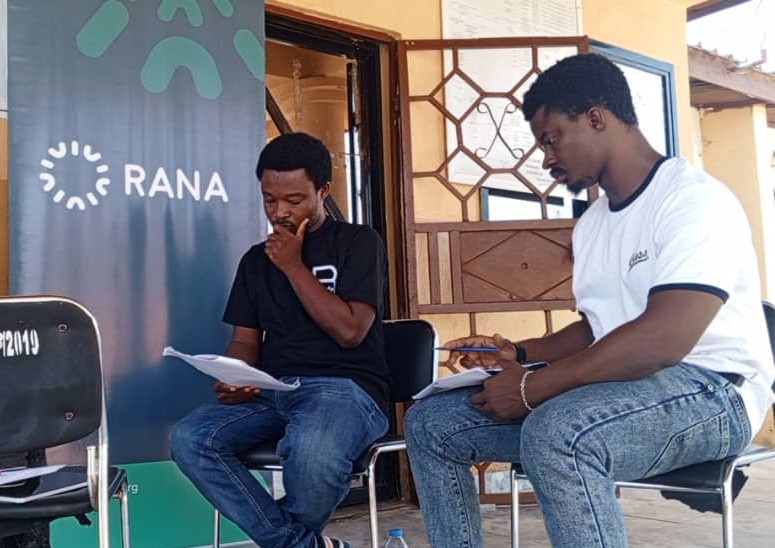
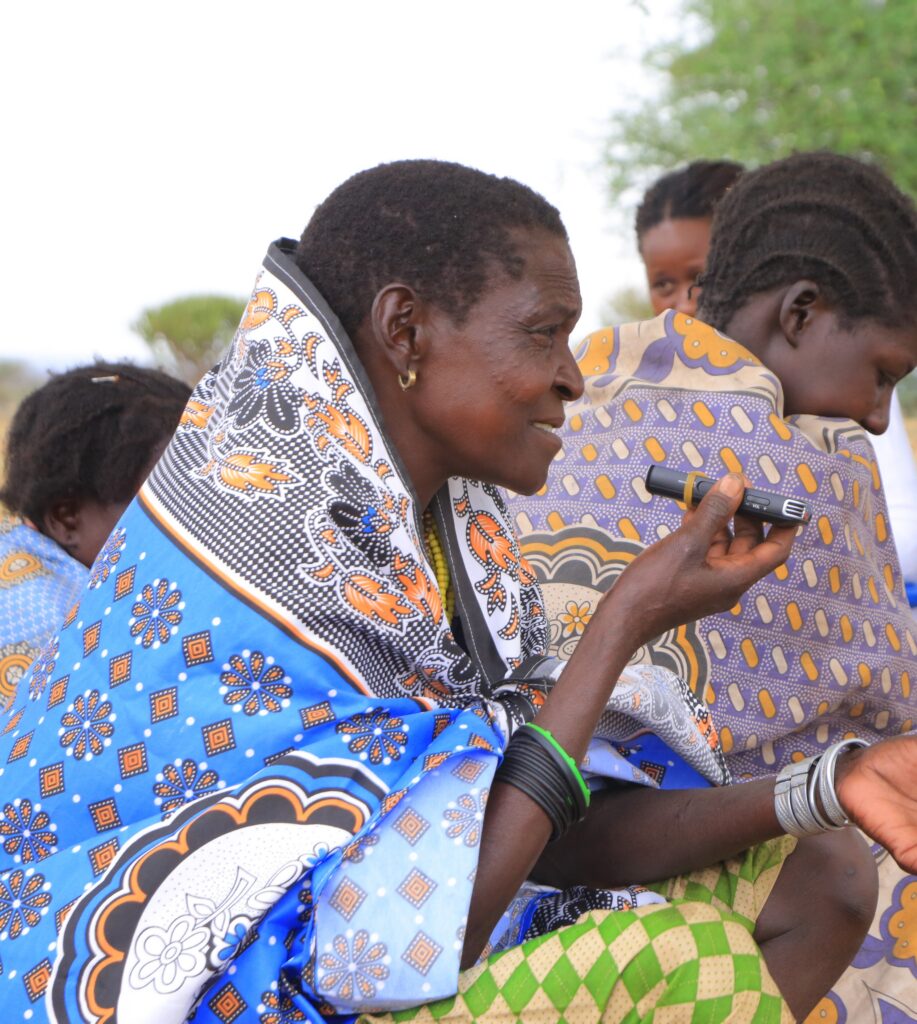
The RANA-rani partnership represents a deliberate departure from the traditional and often patronising North-South model that has shaped global development and health governance. Grounded in equality, complementarity, and mutual accountability, it functions simultaneously at two interconnected levels: locally, through RANA’s Country Working Groups and African regional network, and linked to global policy and diplomatic processes through rani’s convening reach and international policy engagement. Our partnership – focused on building societal resilience to future threats – is proving not only viable but effective.
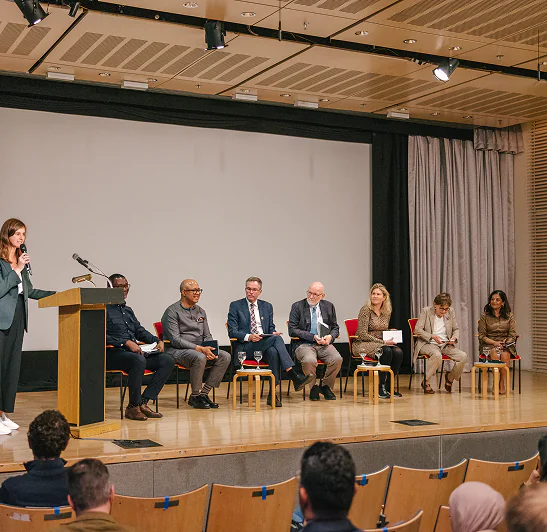
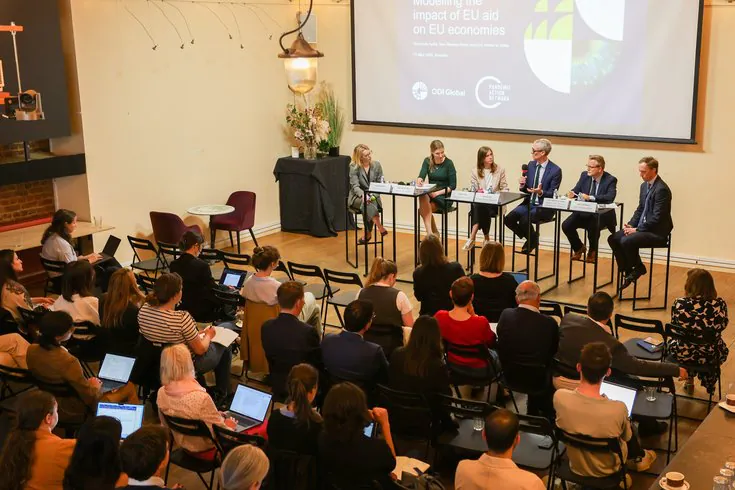
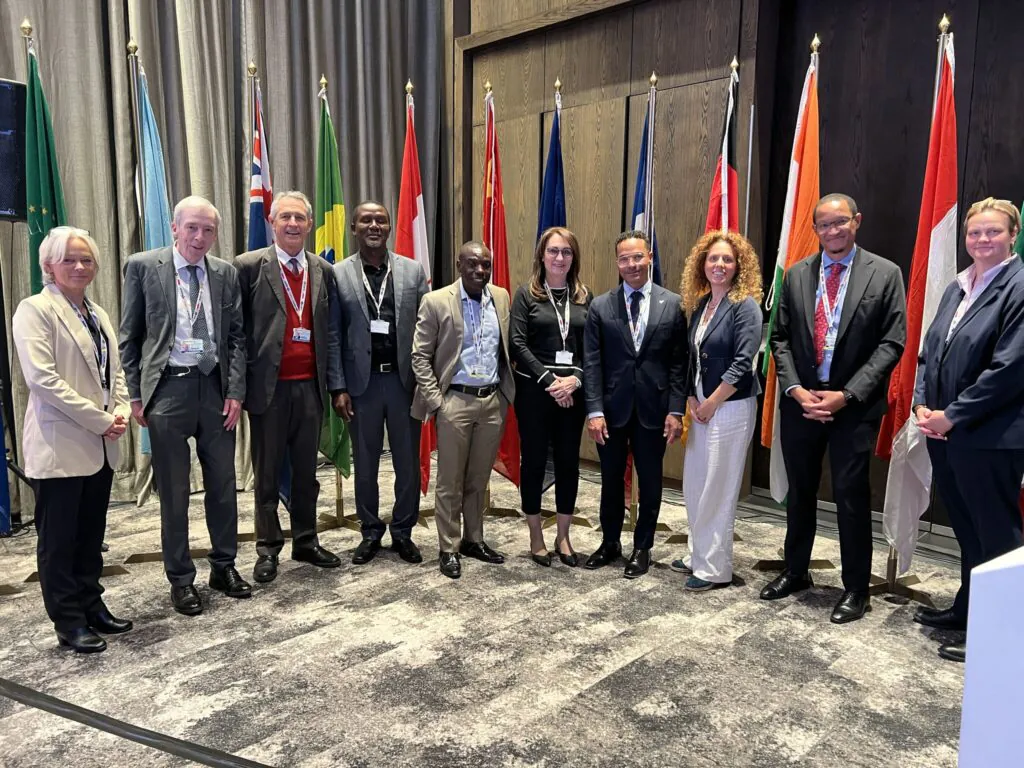
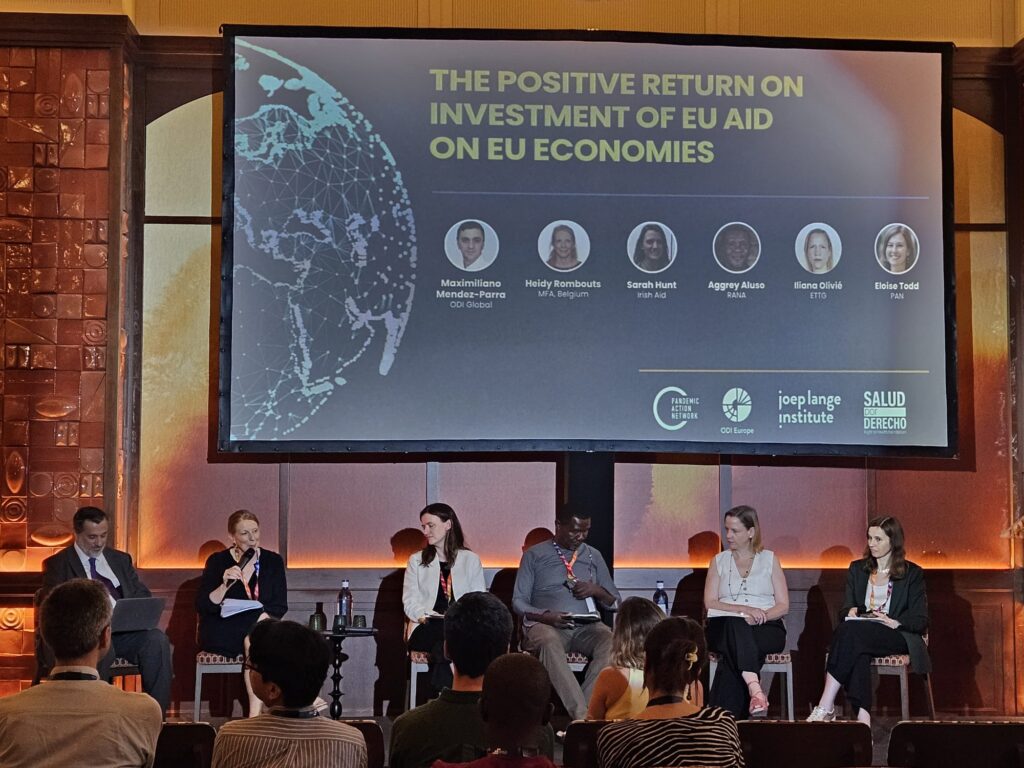
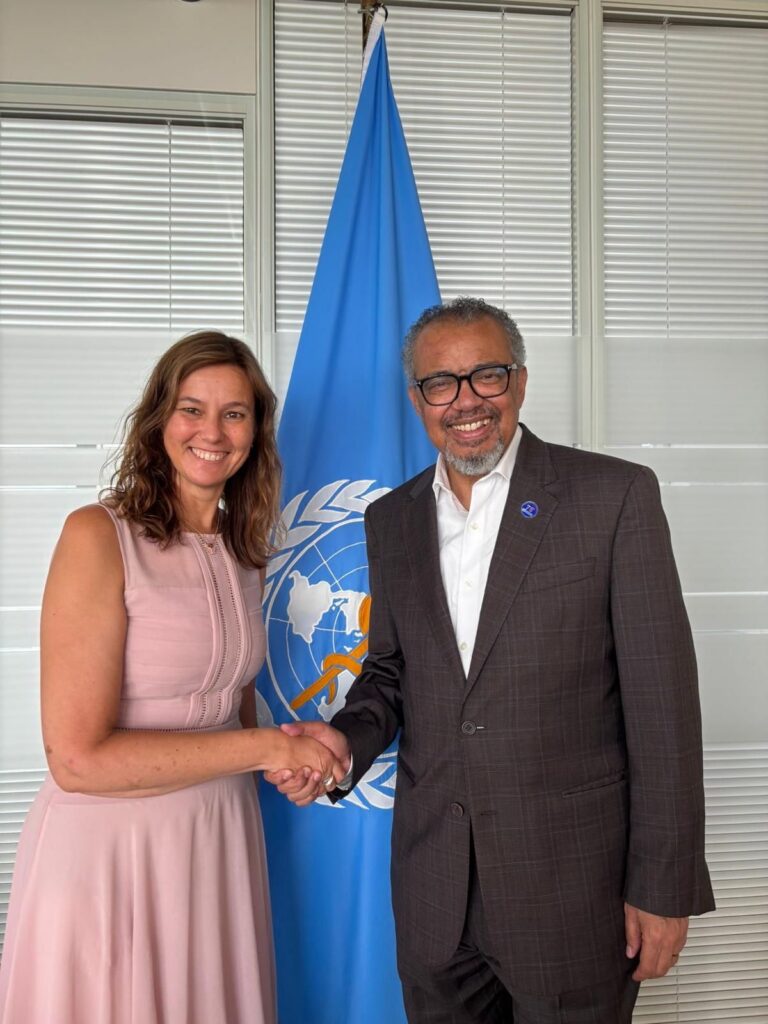
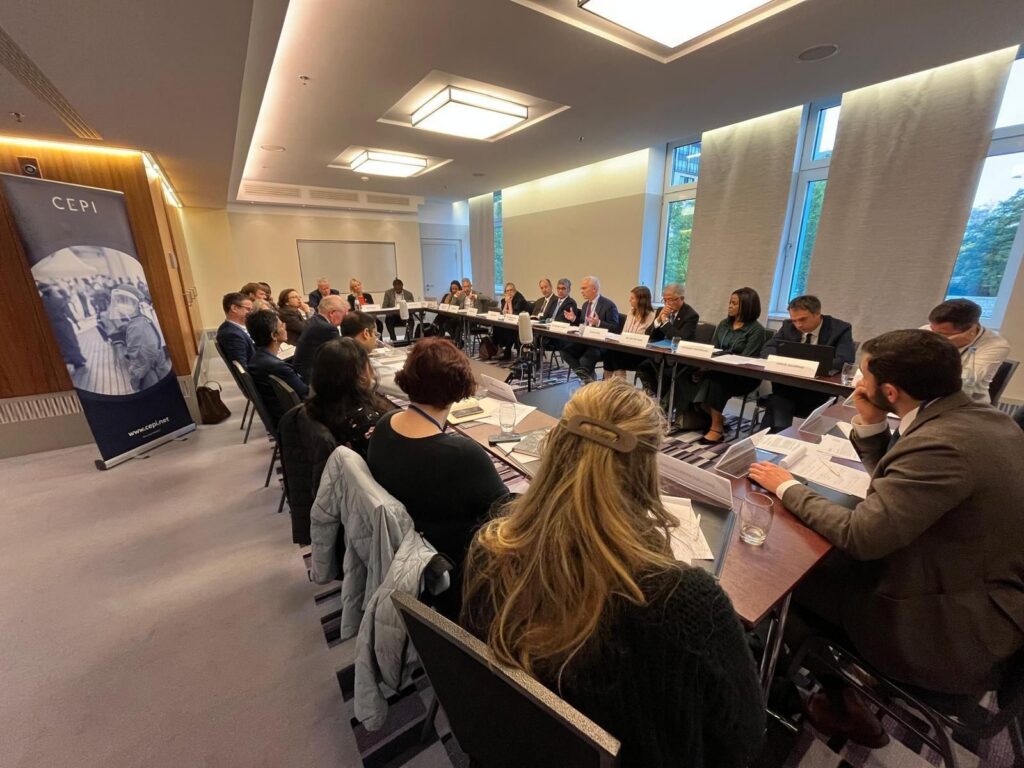
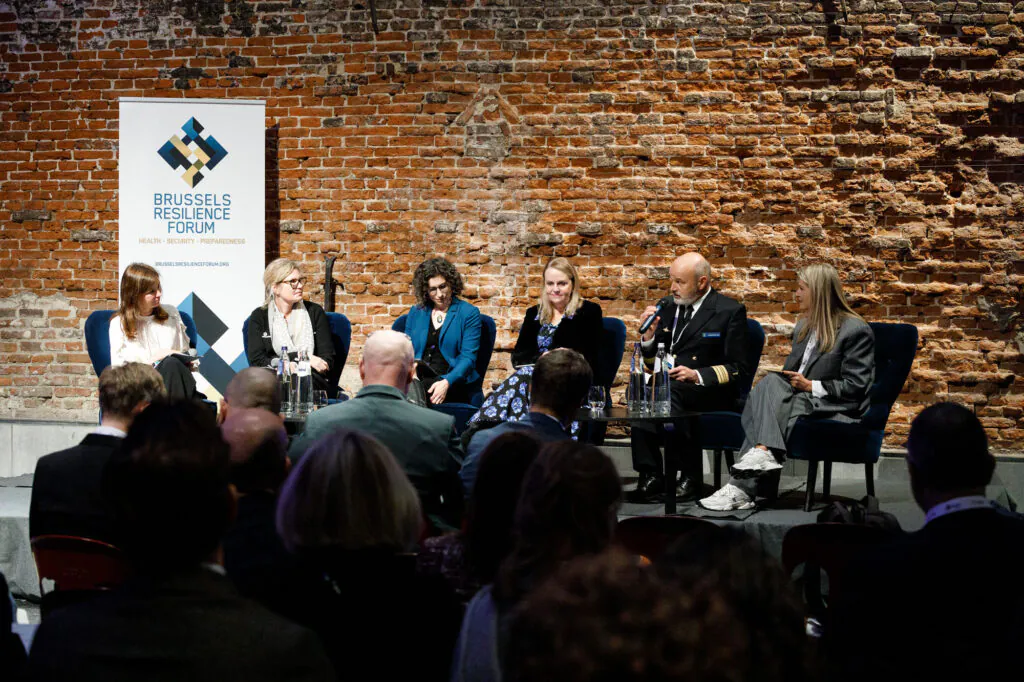
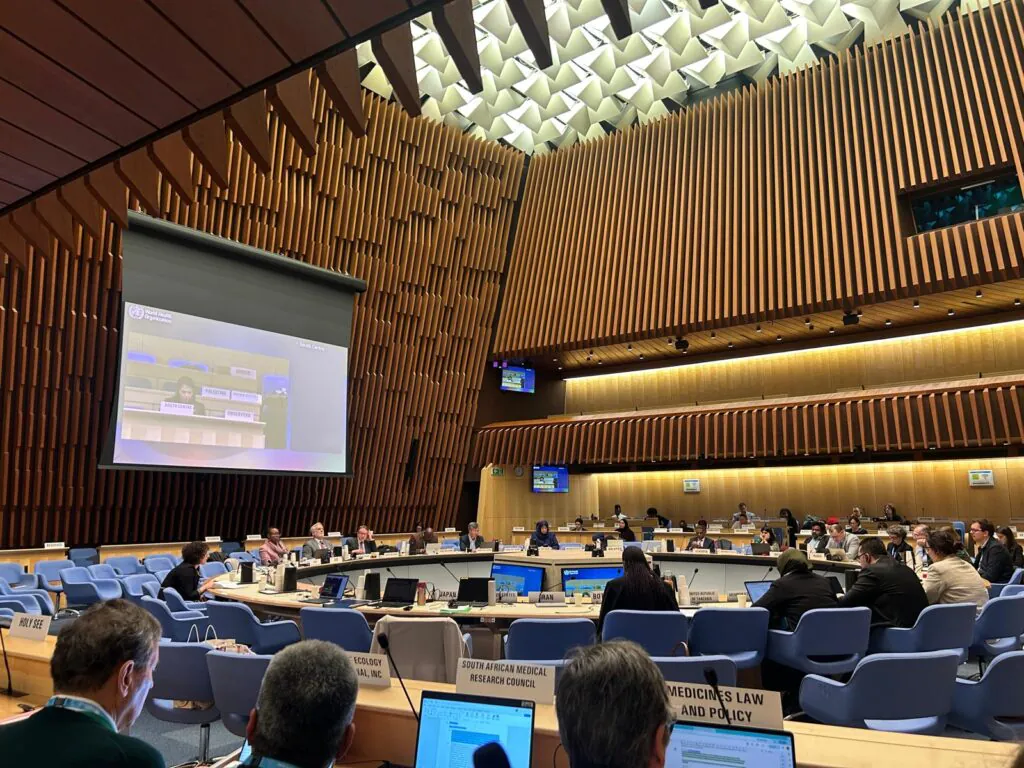
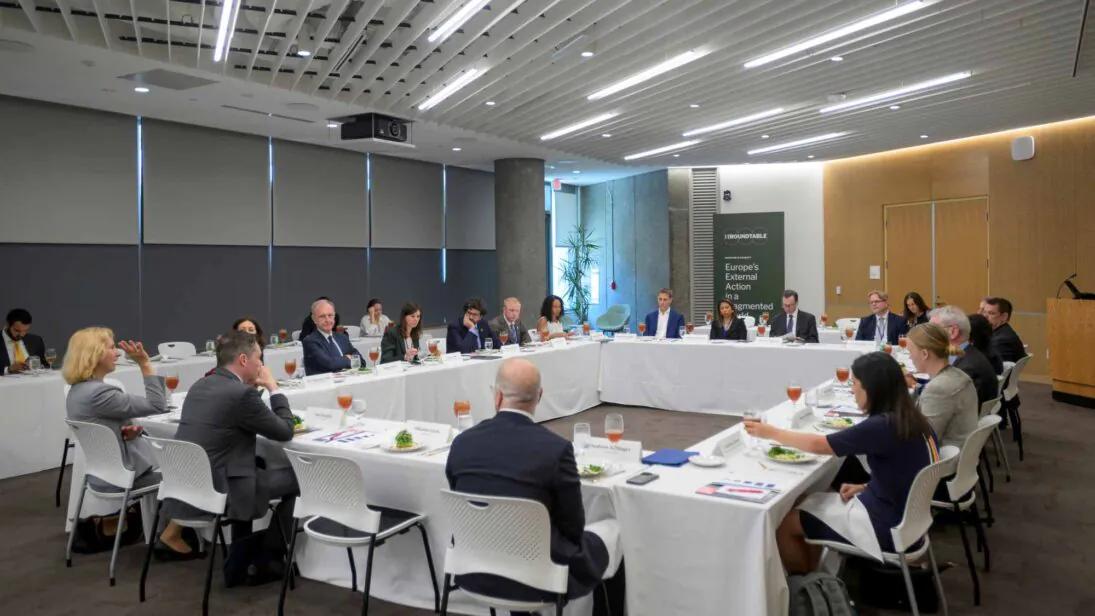
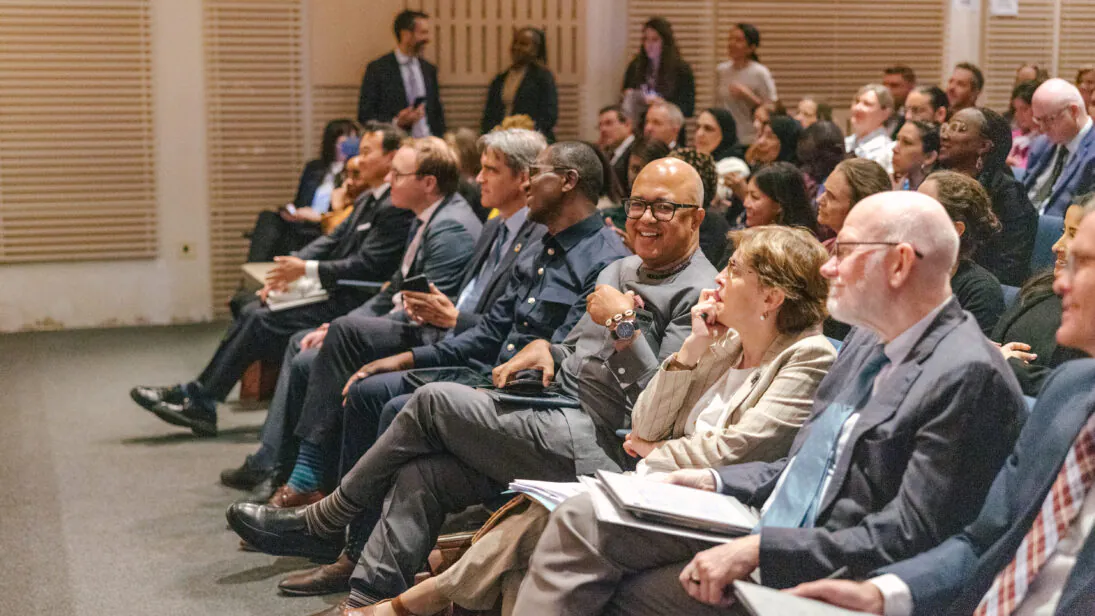
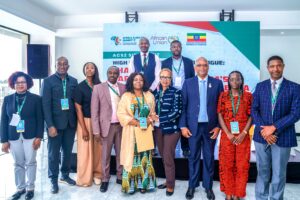
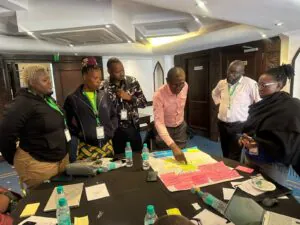
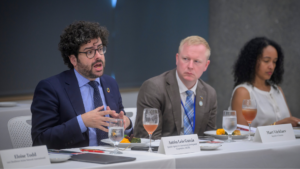
Over the year, our collective work spanned from community realities to global governance. Together, RANA and rani co-led civil society engagement in the ongoing World Health Organization (WHO) negotiations on the Pathogen Access and Benefit Sharing (PABS) Annex, ensuring that African perspectives were not merely acknowledged, but substantively embedded in discussions on equitable access and global solidarity. We helped shape the outcomes of the South African G20 presidency in 2025, co-leading two workstreams under the civil society-led processes that informed G20 outcomes. At the African Union (AU), RANA anchored high-level engagements focused on reforming global health governance systems and advancing a coherent Africa-led position on the future of global health security architecture. And, we are jointly contributing to shaping priorities ahead of the forthcoming United Nations General Assembly High-Level Meeting on Pandemic Prevention, Preparedness, and Response (UN HLM Pandemic PPR), translating regional experiences and lessons into actionable global policy commitments.
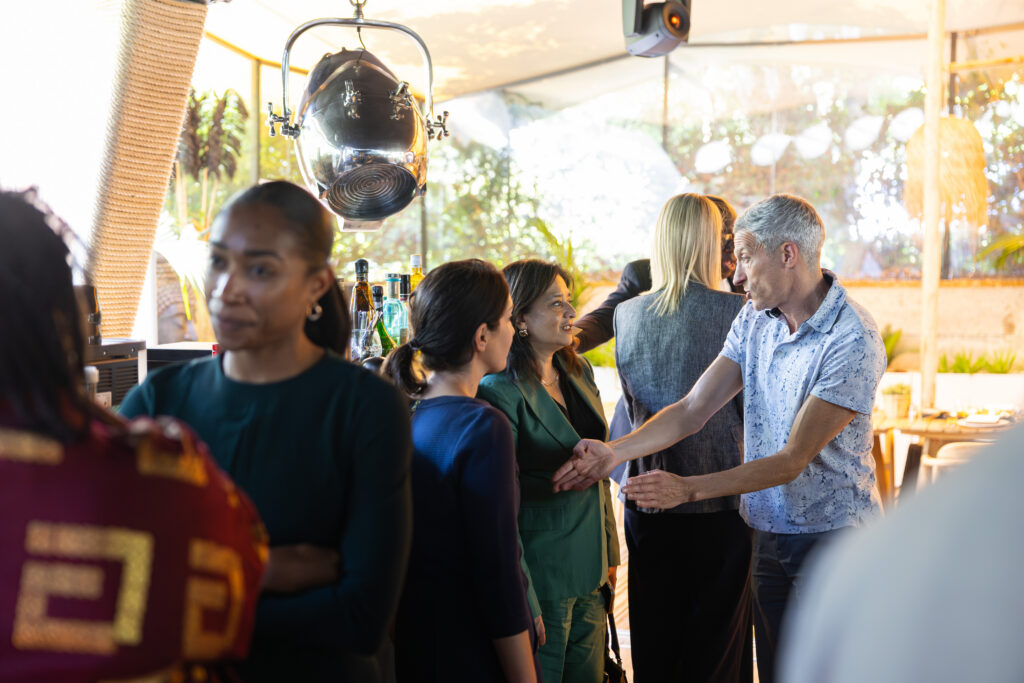
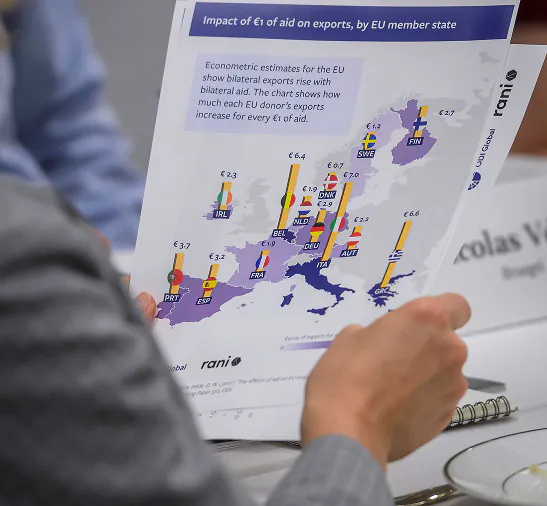
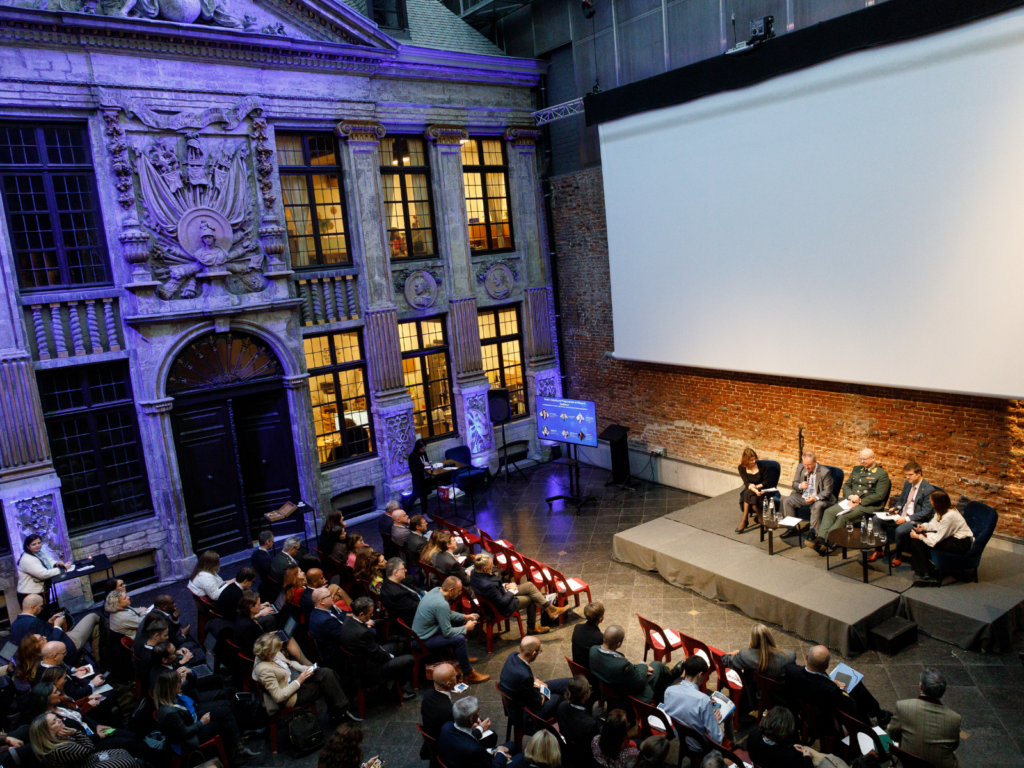
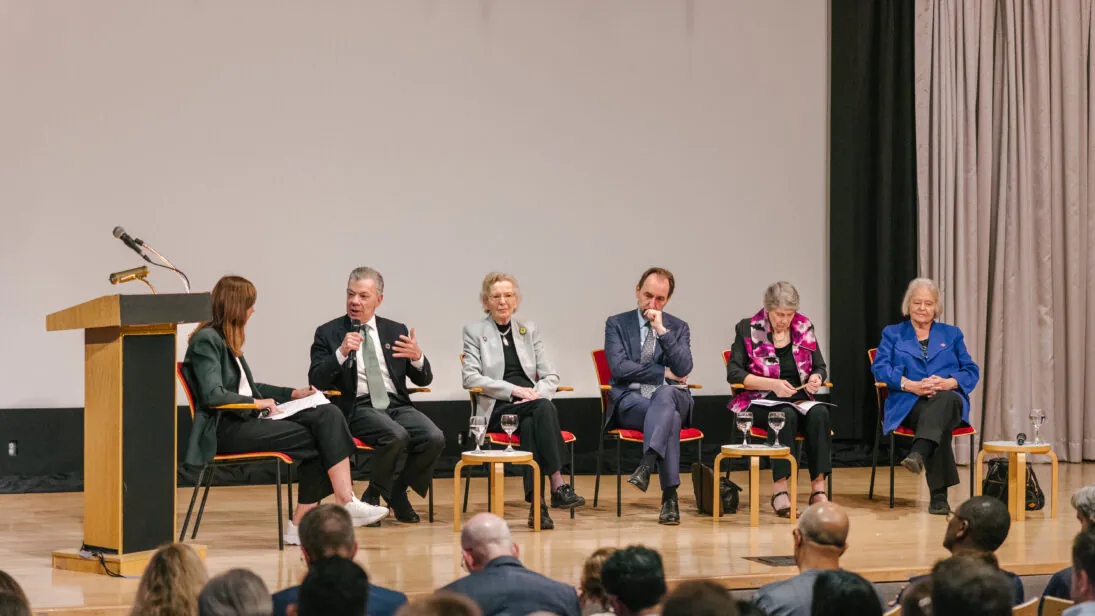
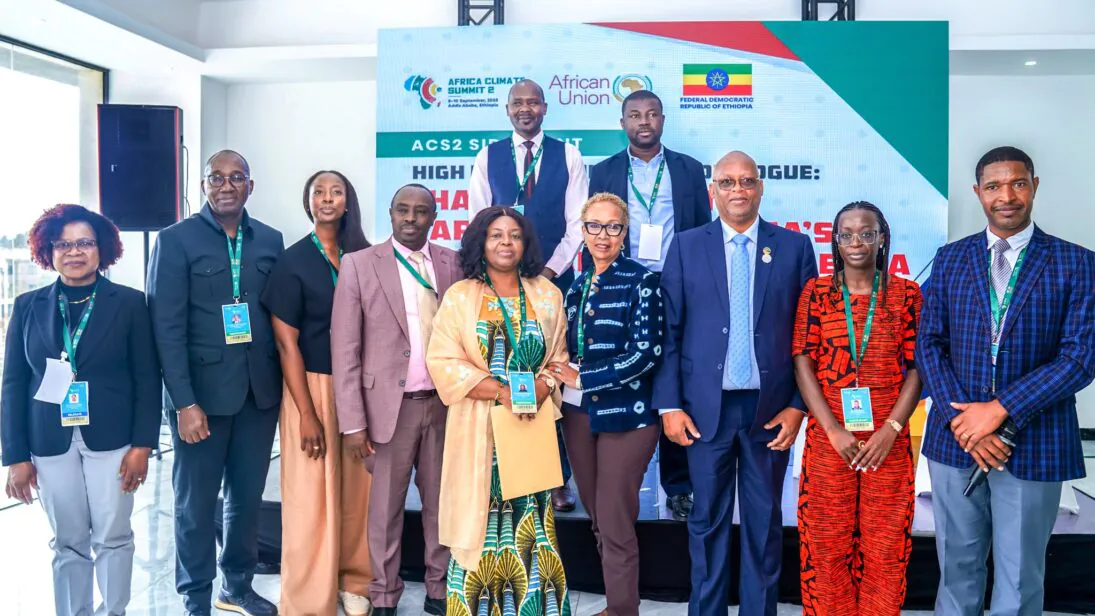
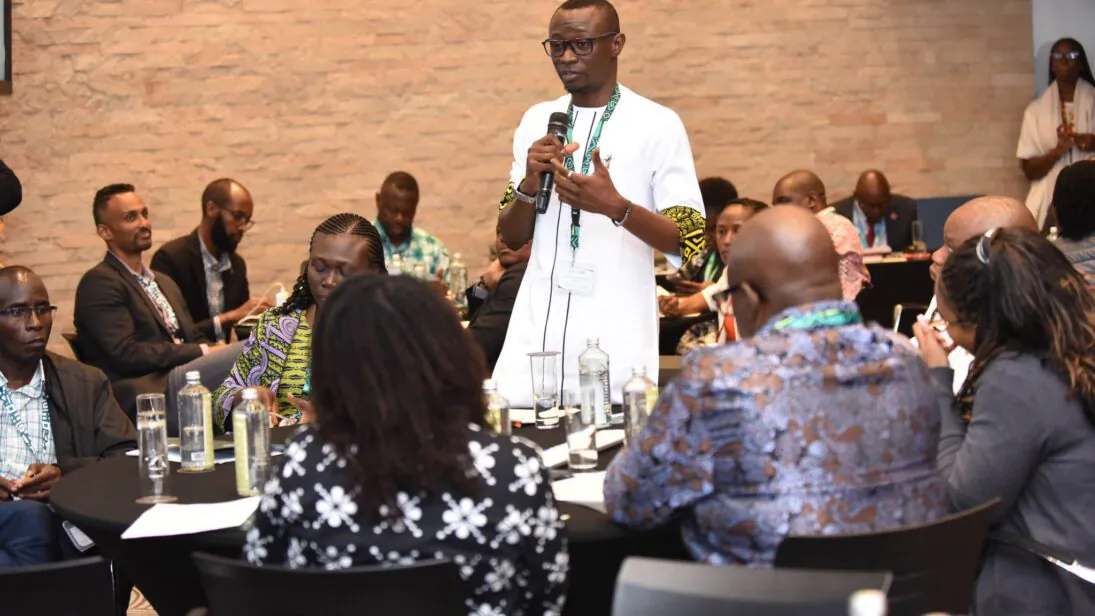
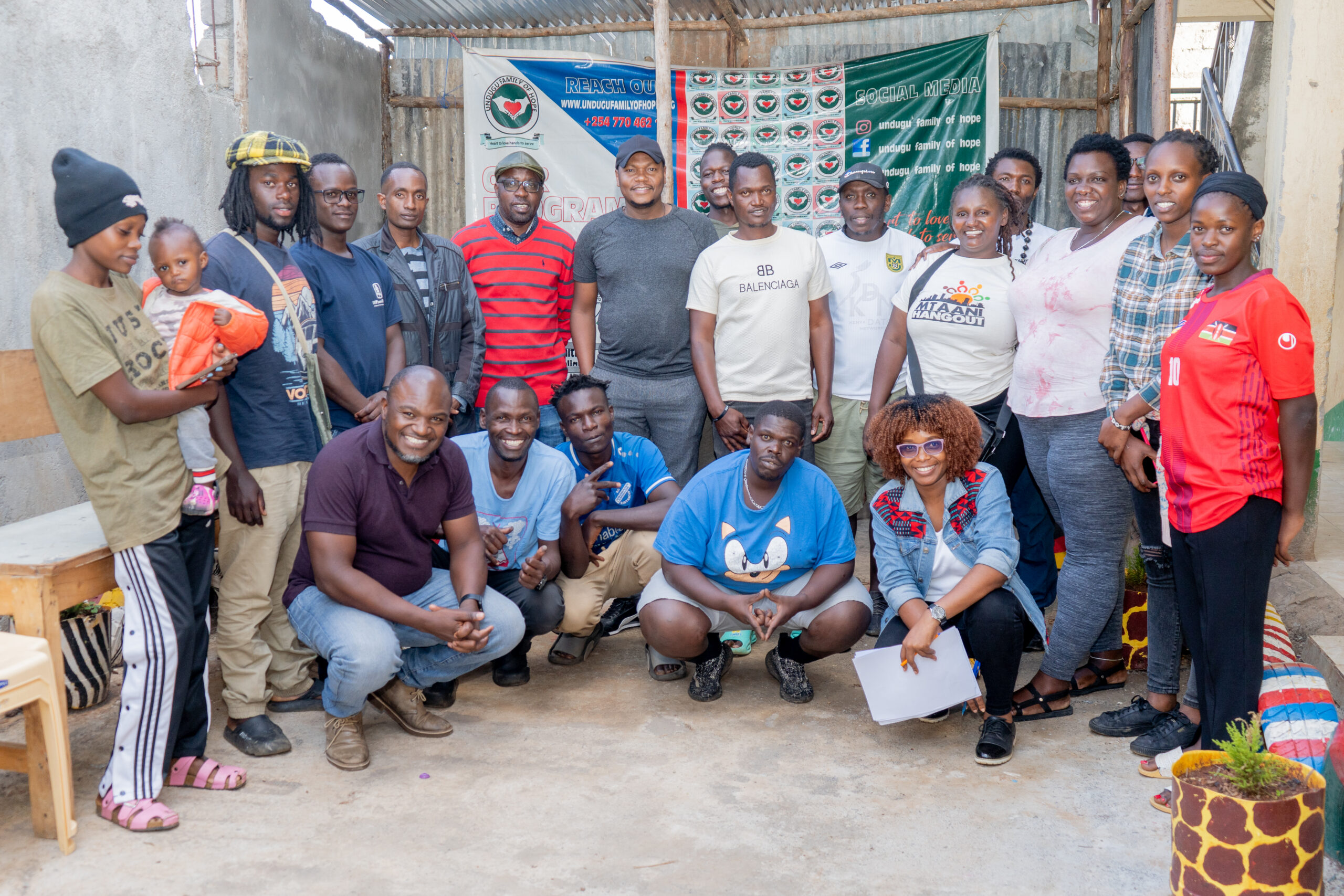
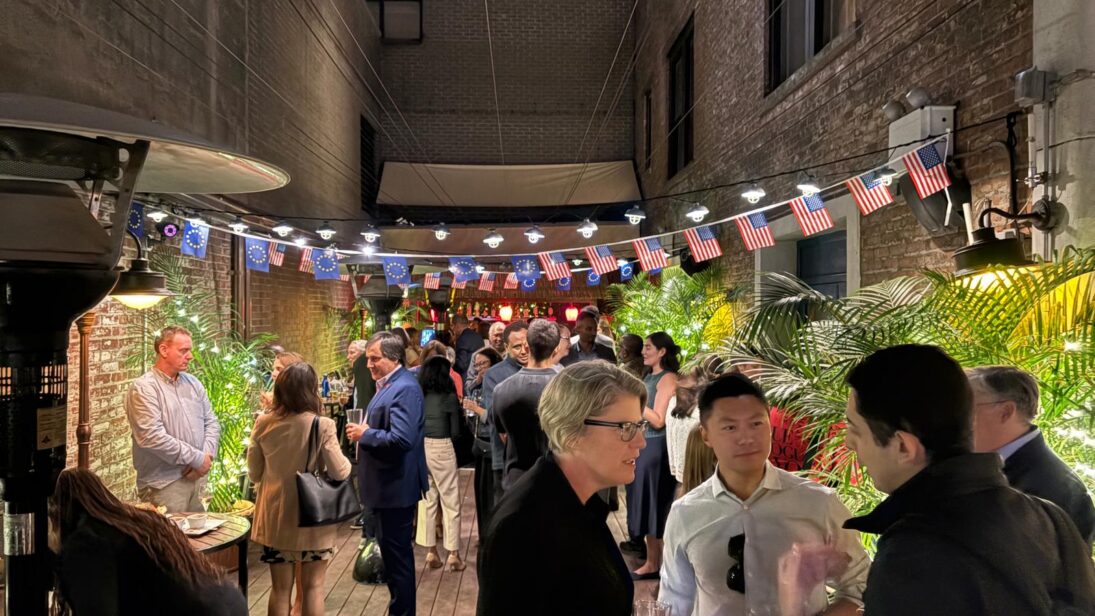
Our collaboration also extends beyond health governance into the broader determinants of resilience. Through our joint advocacy around the Fourth International Conference on Financing for Development (FfD4) in Seville, rani and RANA worked to ensure that debates on development finance reform reflected the fiscal realities, structural inequities, and priorities of African nations and made the mutual interest case for investments. At the Second Africa Climate Summit, RANA coordinated civil society engagement to help forge a common African position on climate resilience, reinforcing the growing recognition that health security and climate governance are inseparable. On the margins of the 2025 United Nations General Assembly (UNGA), our organisations co-facilitated high-level policy dialogues that brought together diverse actors across sectors and regions, demonstrating the convening power of a partnership model rooted equally in community legitimacy and global engagement.
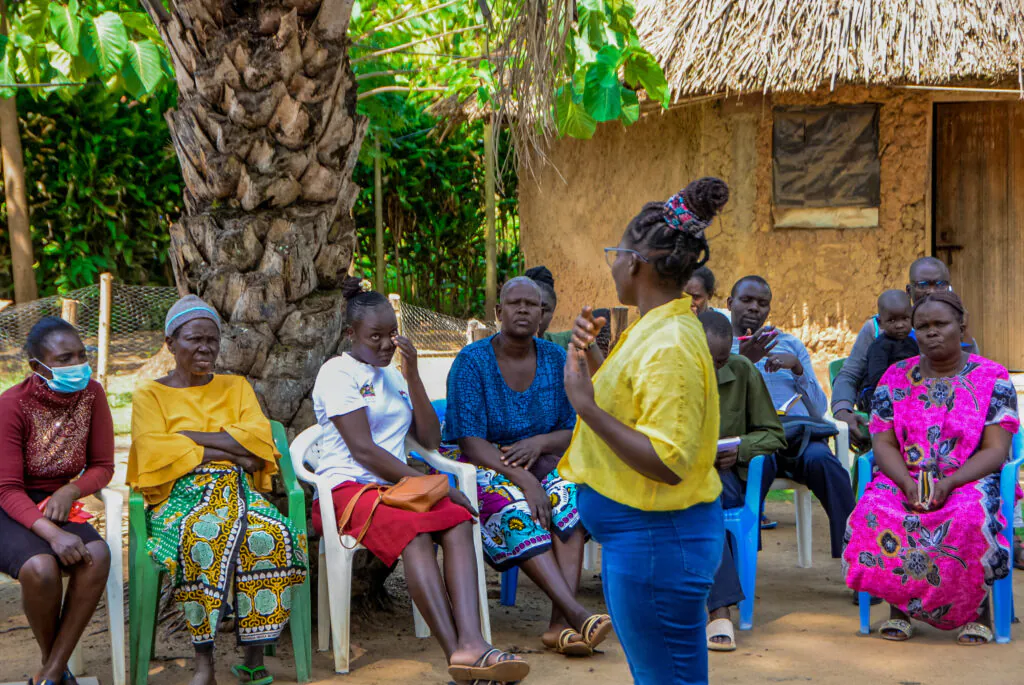
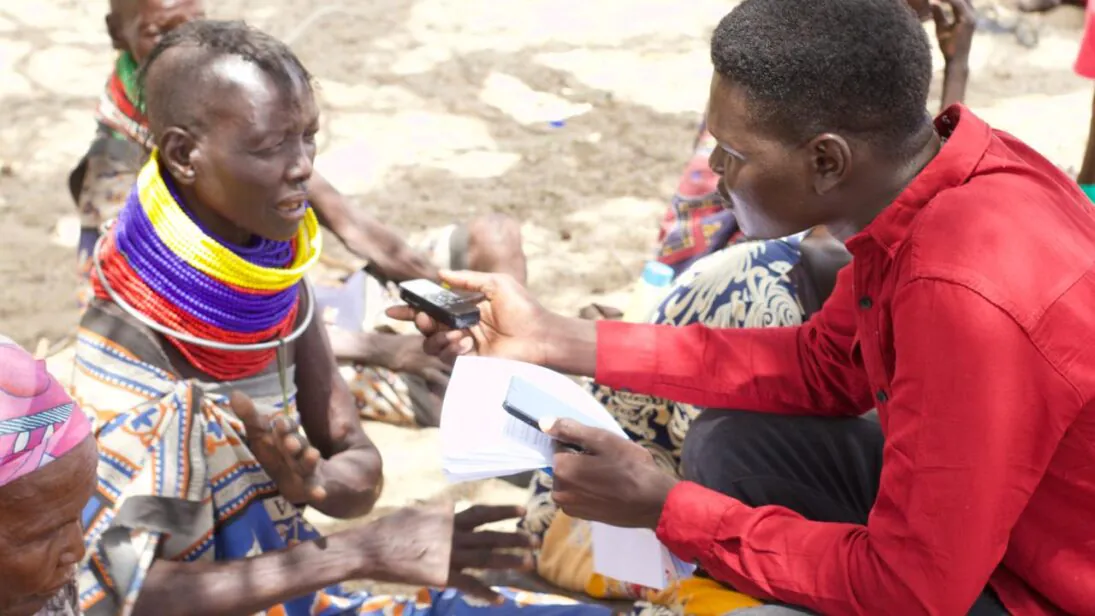
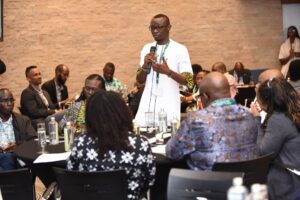
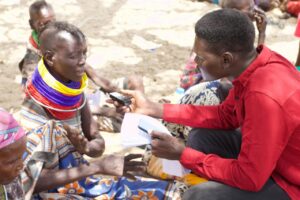
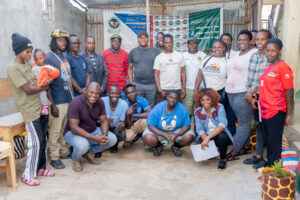
Taken together, these efforts represent something unique: an African civil society network whose influence stretches from community dialogues and national consultations to the corridors of the WHO, the AU, the European Union (EU), and the UN, amplified by our global partners. We look forward to growing this model and helping it achieve transformative impact. As we reflect on this defining year, we do so with both pride and humility. Pride in what has already been achieved, and humility in recognising how much work still lies ahead. The task before us is to deepen collaboration across national, regional, and global levels; to continue building trust and solidarity among civil society actors; and to advance systems resilience not as an abstract aspiration, but as a lived reality for communities across Africa and around the world.
We invite you to read this joint annual impact report as a reflection of what is already possible and an invitation into what comes next. The pages that follow document not only a proof of concept, but the early foundations of a radically collaborative, equitable, and mutually accountable future for global resilience and health security.
Yours in partnership,
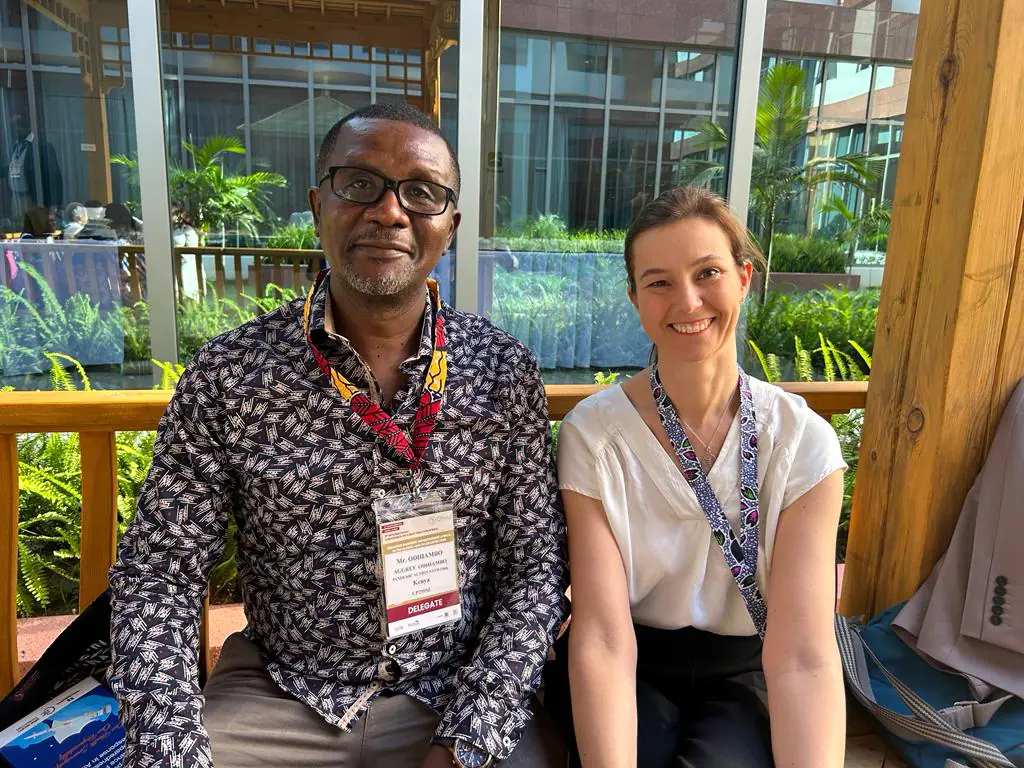
Eloise and Aggrey
 |
 |
Executive Director & Founder
Rani |
Executive Director
RANA |